The "Universal Dashboard Paradox": Why Your KPIs Are Lying to You
Generic KPIs can make dashboards look healthy while cash quietly drains. Different businesses need different metrics or finance ends up managing a wrong reality

How to escape the "one-size-fits-all" trap and align financial strategy with business reality in the GCC
At-a-Glance: Executive Summary
- The Model Mismatch: Applying B2C metrics (like Daily Active Users) to a B2B or B2G model isn't just inefficient; it obscures cash flow risks until it’s too late.
- The CAC Illusion: Customer Acquisition Cost is calculated radically differently across models. In B2B, it includes sales commissions and long courtships; in B2C, it’s purely algorithmic ad spend.
- The Cash Gap: In the GCC B2G sector, Days Sales Outstanding (DSO) is the only metric that matters. Profitability means nothing if you run out of cash waiting for a government payout.
- The Marketplace Trap: Confusing Gross Merchandise Value (GMV) with Revenue is the most common valuation killer for platforms. Focus on your "Take Rate."
- Data Ownership: Finance shouldn't hoard data. Marketing owns CAC, Product owns Churn, and Sales owns Pipeline Velocity. The CFO is the orchestrator, not the sole proprietor.
- The Automation Fix: Manual reconciliation across different business lines (e.g., a hybrid B2B/Marketplace) leads to version control chaos. You need a unified data layer, not a larger spreadsheet.
The Narrative: When the Map Doesn't Match the Territory
Imagine a CFO joining a hyper-growth tech company in Riyadh. They come from a background in high-volume B2C e-commerce. They immediately implement their "proven playbook": daily monitoring of transaction volume, obsession with viral coefficients, and optimizing for immediate Return on Ad Spend (ROAS).
Six months later, the company is in a liquidity crisis. Why? Because this new company is actually B2G (Business-to-Government) with a side of Enterprise B2B.
While the CFO was optimizing for daily clicks, the company was bleeding cash on 12-month sales cycles and awaiting milestone payments from a ministry contract. The metrics were "green" on the dashboard, but the bank account was red.
This is the Universal Dashboard Paradox. It is the false belief that financial health looks the same regardless of the engine under the hood. In the GCC, where conglomerates often run hybrid models (e.g., a construction firm that launches a B2B procurement marketplace), this confusion is the silent killer of FP&A modernization.
Your business model dictates your survival metrics. Here is how to look at the numbers that actually matter.
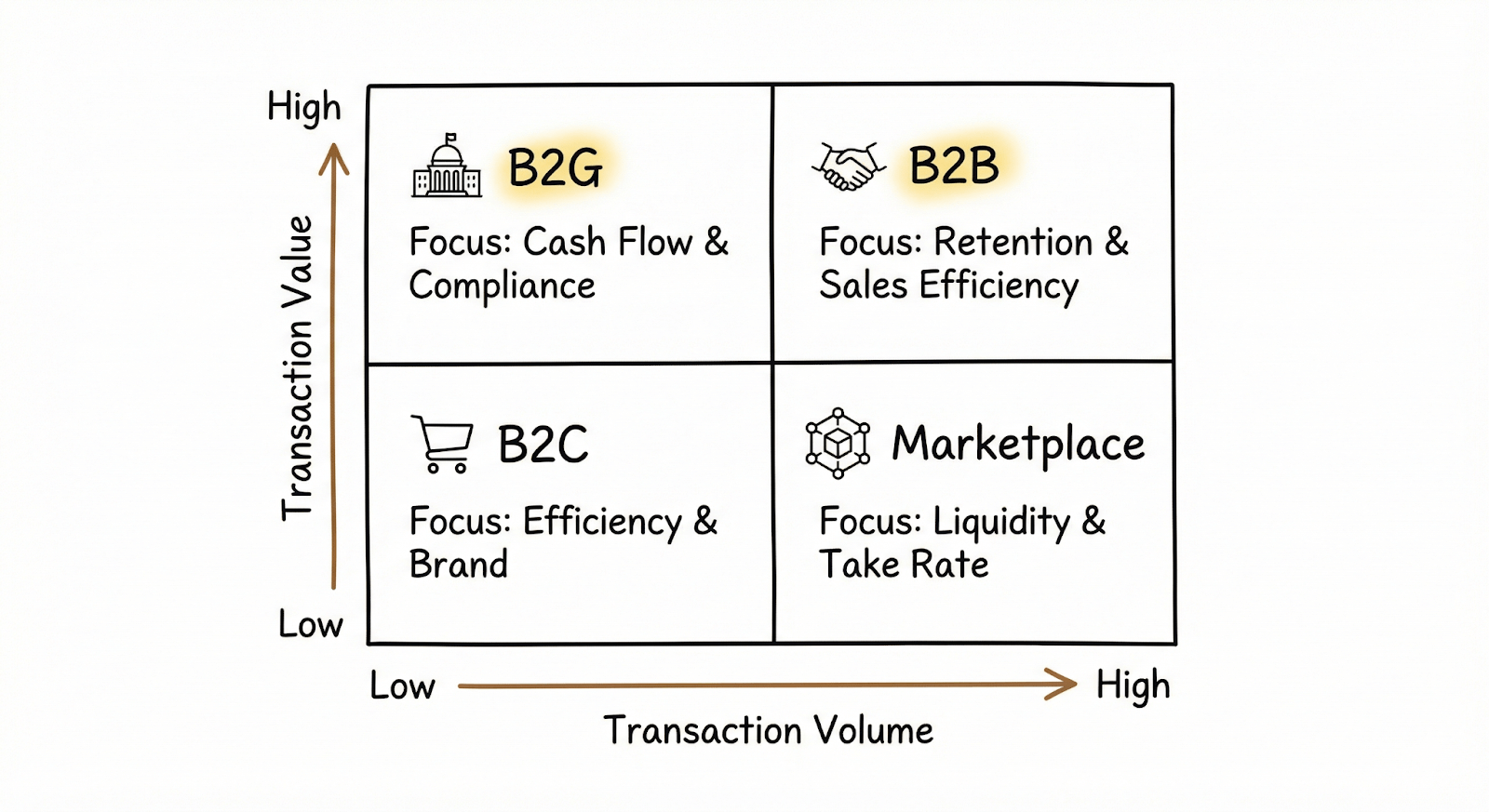
1. The B2B Engine: Predictability is King
In the B2B SaaS or Service world, you are trading immediate cash for long-term predictability. The "Tech Bro" might tell you to focus on growth at all costs, but the strategic CFO knows that retention is the new growth.
The Critical Shift
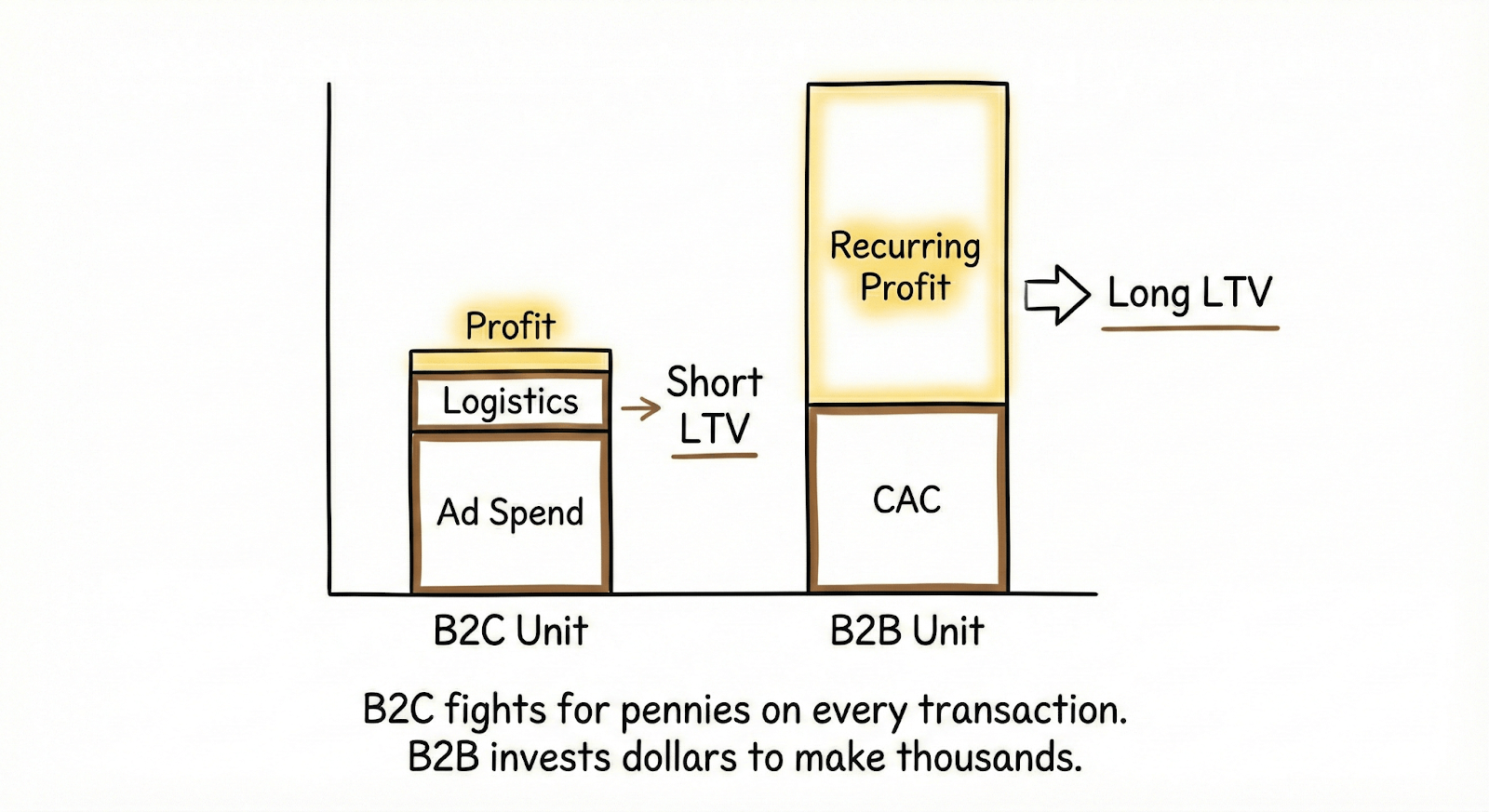
In B2B, a lost customer is a disaster because the CAC is so high. You spend months wine-ing and dine-ing a client. If they leave in month 3, you have incinerated capital.
The Metrics That Matter
- Net Revenue Retention (NRR): This is the gold standard. If you stop selling today, will your revenue grow or shrink? An NRR of >110% means your upsells exceed your churn.
- CAC Payback Period: How many months does it take to recoup the sales and marketing cost?
- The Formula:
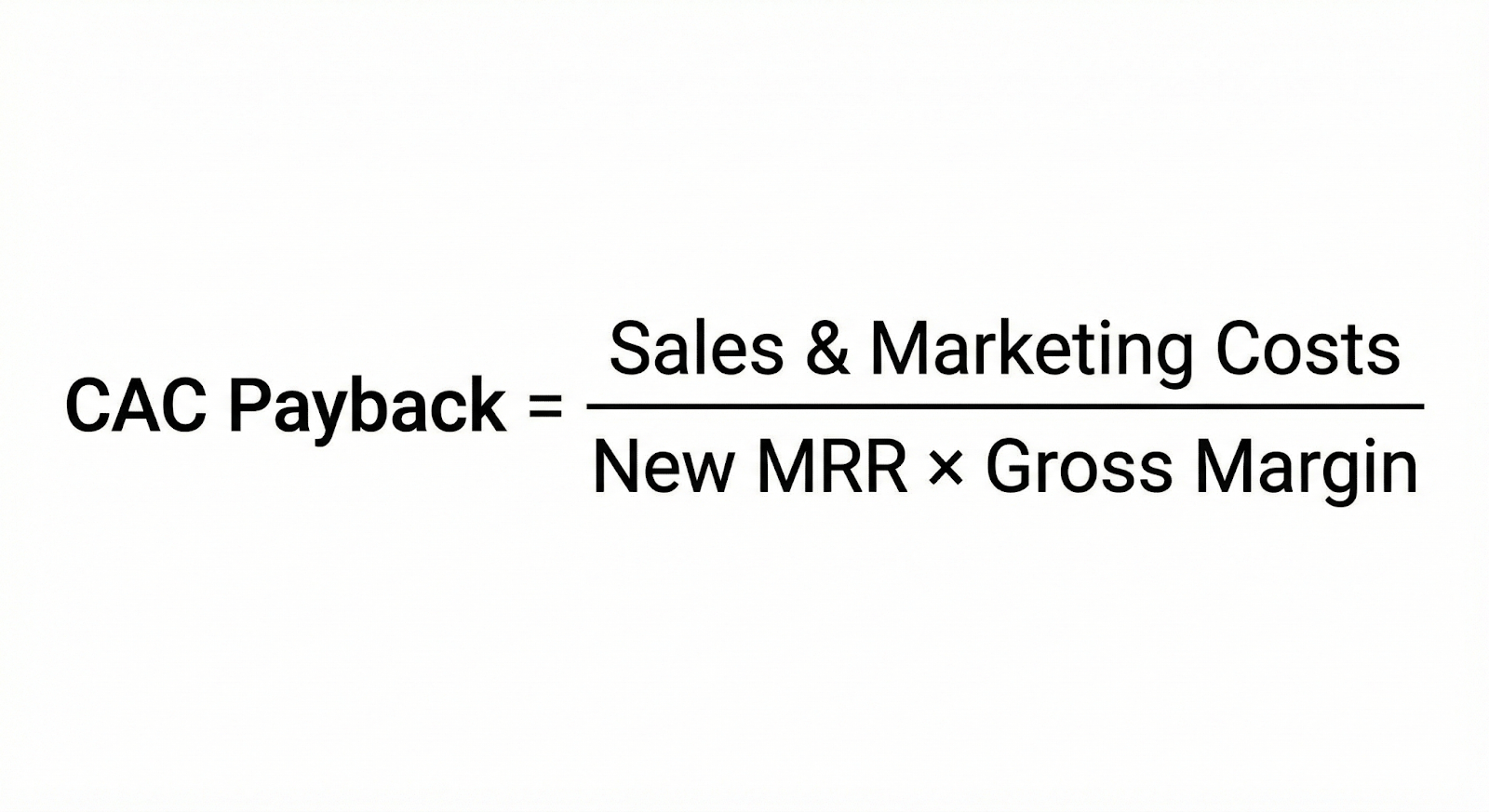
- The Benchmark: If it’s over 12 months, you are borrowing against a future that might not exist.
- Pipeline Velocity: Not just "how much is in the pipe," but how fast does it move? In the GCC, relationship-building slows this down. You need to measure the "stall time" per stage.
Common Pitfall: Counting "Bookings" as "Revenue." A signed contract is great, but until the service is delivered (revenue recognition), it is just a promise.
2. The B2C Pulse: Volume and Margins
In B2C (E-commerce, D2C, Apps), the game is ruthless efficiency. You don't have personal relationships with your customers; you have data points.
The Critical Shift
Here, the CFO must act almost like a Chief Marketing Officer. You are buying revenue via ads. The question is: are you paying $1.00 to make $0.90?
The Metrics That Matter
- Contribution Margin (CM): Revenue minus all variable costs (COGS, Shipping, Payment Processing, and Ad Spend). Many CFOs leave Ad Spend out of CM calculations—this is fatal.
- LTV:CAC Ratio:
- The Nuance: In B2C, LTV (Lifetime Value) is often theoretical. Do not project LTV over 5 years. Use a 6-month or 12-month LTV cap. If they don't pay back in 6 months, the cash drag will kill you.
- Inventory Turnover / Cash Conversion Cycle: How fast does cash leave your account for stock, and how fast does it come back?
3. The B2G Fortress: Surviving the Cash Crunch
This is the reality for many major players in Saudi Arabia, UAE, and Qatar. You are dealing with governments or semi-government entities (Giga-projects). The credit risk is low (the government will pay), but the timing risk is massive.
The Critical Shift
Your P&L (Profit and Loss) is irrelevant if your bank account is empty. You can be highly profitable on paper and still go bankrupt waiting for a payment. This is why real-time cash visibility across entities matters more than a clean P&L for B2G businesses, the timing gap is the risk, not the margin.
The Metrics That Matter
- Days Sales Outstanding (DSO): This is your heartbeat. If your terms are Net-60 but reality is Net-120, you need to finance that gap.
- Working Capital Requirement: You need to forecast exactly how much cash is required to keep the lights on while waiting for the next milestone payment.
- Project Profitability vs. Project Cash Flow: A project might have a 20% margin, but if the costs are upfront and revenue is backend, the Internal Rate of Return (IRR) of that specific project might actually be negative due to financing costs.
Regional Nuance: In the GCC, electronic invoicing (like ZATCA in KSA) is speeding things up, but internal approval processes within ministries remain complex. Automated follow-ups on invoices are essential.
4. The Marketplace Ecosystem: Managing the Balance
Marketplaces (like Uber, Amazon, or niche B2B platforms) are seductive because they are "asset-light." But they are operationally heavy. You are juggling two customers: the buyer and the seller.
The Critical Shift
You must distinguish between GMV (Gross Merchandise Value) and Net Revenue. GMV is the total money flowing through your pipes. Net Revenue is what you keep.
The Metrics That Matter
- Take Rate:
- The formula:
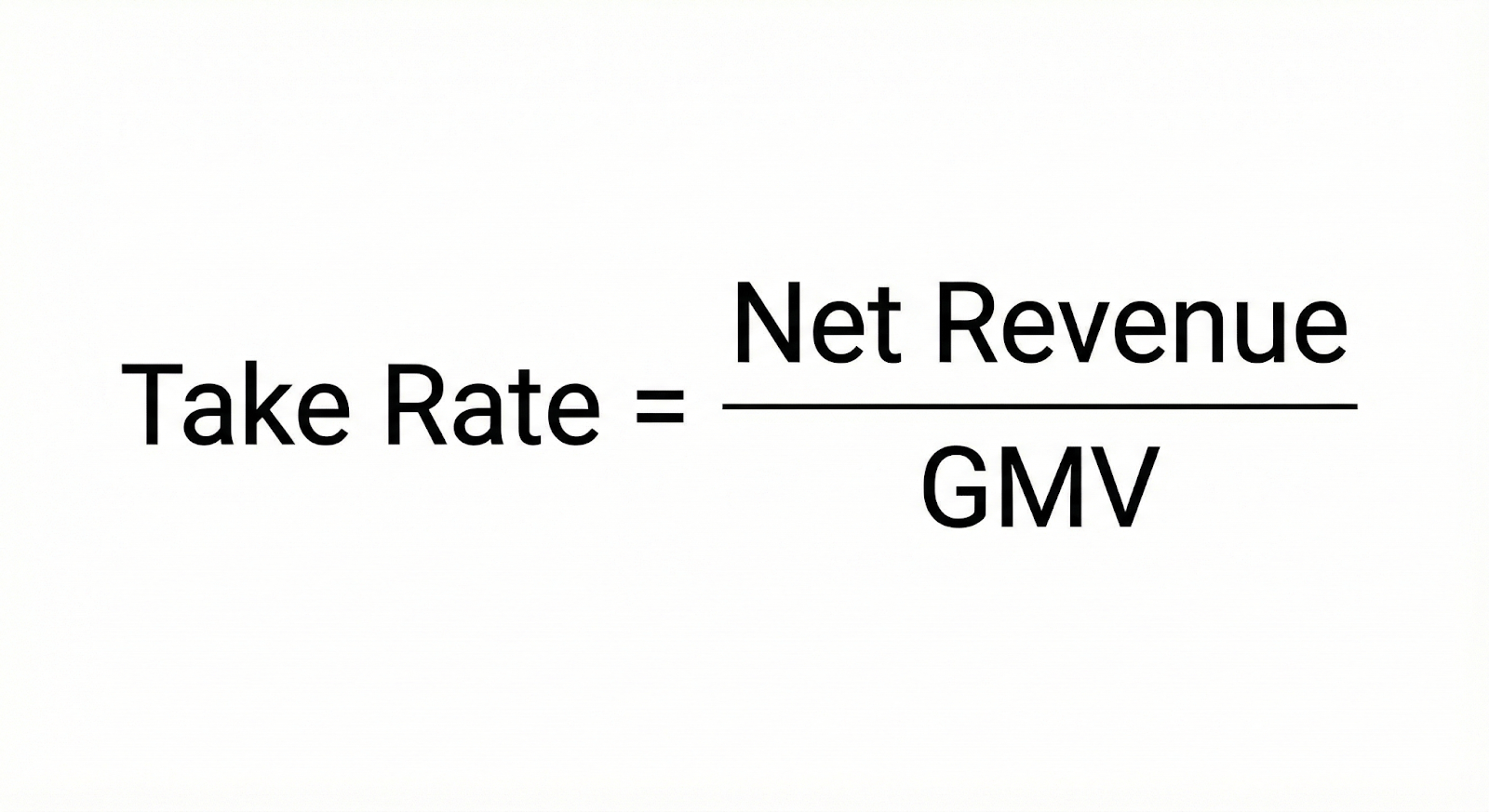
- If your GMV is growing but your Take Rate is shrinking, you are losing pricing power.
- Liquidity: The percentage of listings that result in a transaction within a specific timeframe. A marketplace with millions of listings but no sales is a ghost town.
- Buyer/Seller Overlap: Are your sellers also buying? (Common in B2B marketplaces). This reduces CAC significantly.
5. The Solution: Contextual Intelligence, Not Just "Data"
The problem isn't a lack of data; it's a lack of context.
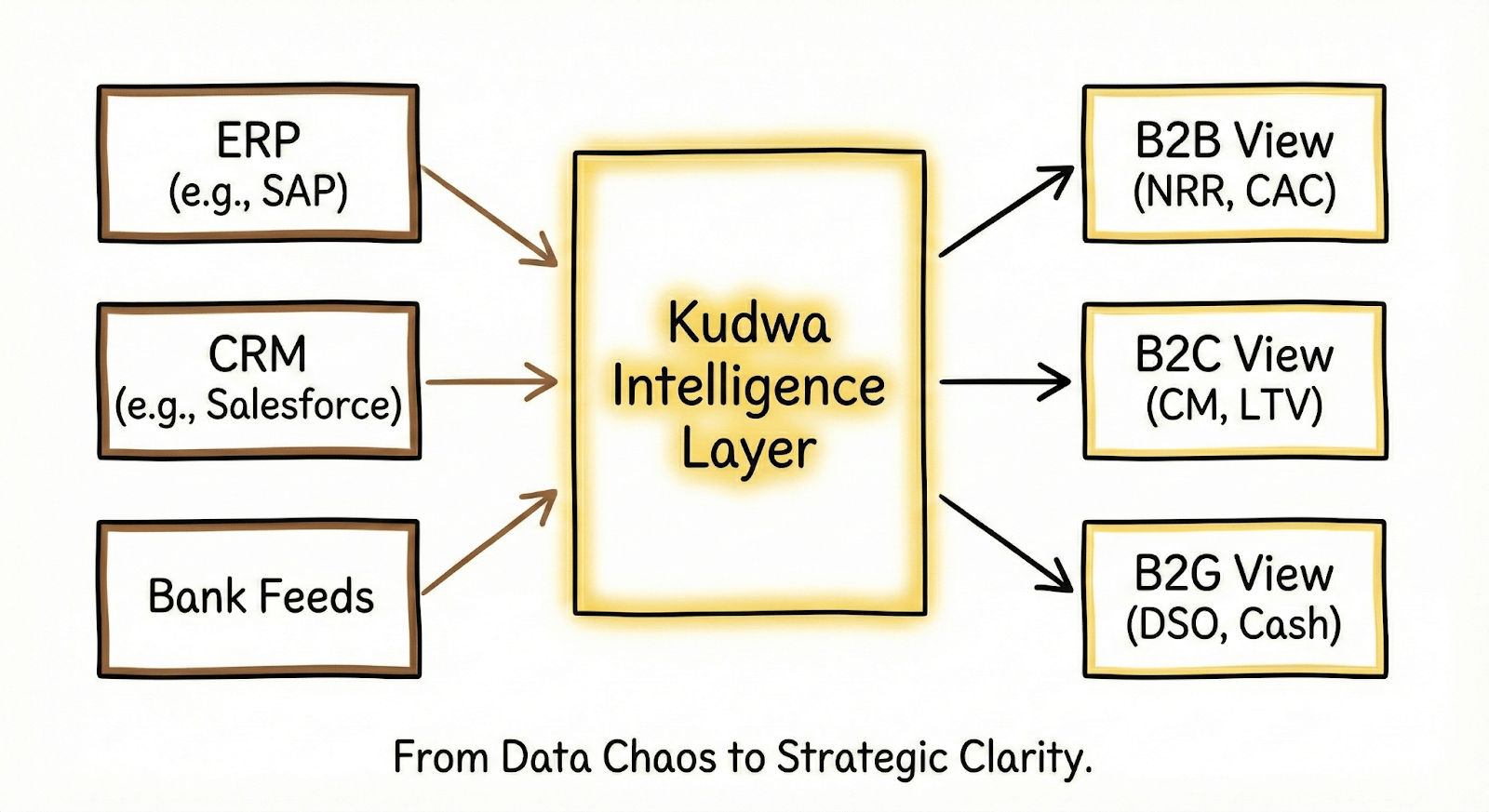
Most CFOs are stuck trying to force these distinct business models into a generic Excel template or a rigid ERP system. Their team spends the first week of every month manually reconciling "Bookings" from Salesforce with "Revenue" from the ERP, trying to calculate a CAC that sales and marketing will actually agree on.
This is where CFO Strategy meets Technology.
To modernize your FP&A, you need a system that adapts to the model:
- Automated Categorization: The system should know that a marketing expense for a B2B lead is treated differently than a brand awareness campaign for B2C.
- Unified Data Layer: Giving ownership to departments means they feed data into a central engine. Marketing inputs ad spend, Sales inputs pipeline, Finance inputs actuals.
- Scenario Planning: "What if DSO increases by 15 days?" In a B2G model, you need to see the cash impact of that question instantly, not three days later.
That speed requires forecasting models connected to live data, not a spreadsheet you rebuild each time the assumption changes.
Kudwa acts as this intelligence layer. We don't just aggregate your data; we structure it according to your business logic. Whether you are tracking ARR for your SaaS product or Milestone Completion for your government contracts, Kudwa visualizes the truth behind the numbers.
Bottom Line
You cannot manage what you measure incorrectly.
If you are a B2G company obsessing over "Daily Active Users," or a B2B company ignoring "Net Revenue Retention," you are steering the ship based on a map of a different ocean.
Modern finance is not about reporting the past; it is about predicting the future with the right variables.
Ready to see your business model with absolute clarity?
Stop overengineering your spreadsheets. Book a 15-minute walkthrough to see how Kudwa automates your specific KPIs, no matter the complexity of your model.
Latest from Kudwa

5 Best AI Finance Tools in the UAE for 2026
Every finance platform now talks about AI. The harder question for UAE finance teams is which tools actually remove work and earn their place in the stack.

Finance Software ROI: How to Judge Your CFO's Next Request
A $30,000 software request looked like overhead. Six months later it cost $200,000 in margin. How to judge finance software ROI before you decline.